Month by month
The year on the coast

Tap a month. The sky, the sea, what is flowering, what the animals are up to, and what it costs to be here. Two seasons, twelve very different months.

Dry season, high season

January

The sky
Bone dry, hot in the afternoon and, on this stretch of coast, windy. The Papagayo winds come down off the lake through the gap in the mountains and blow hard for days at a time, which keeps the evenings pleasant and the kitesurfers happy.
The sea
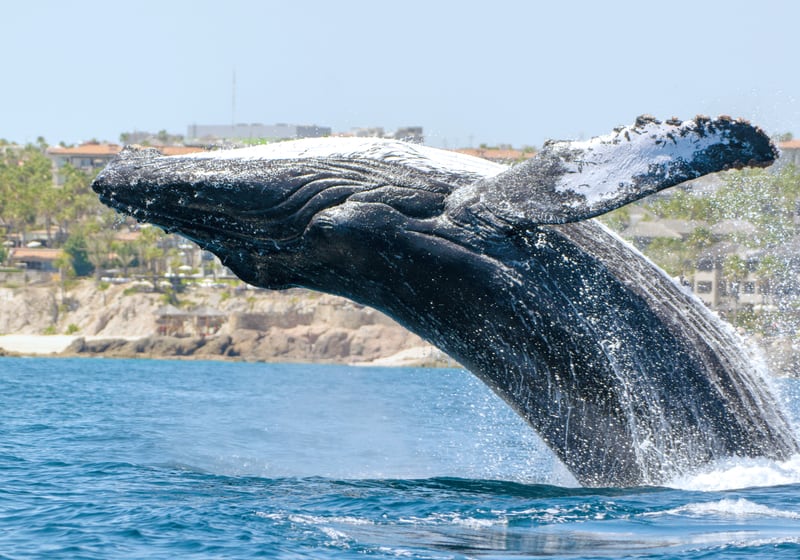
Clear and a little cooler than the rest of the year because the wind stirs it up. Good visibility for snorkelling on the calm days, and the northern humpbacks are here.
On the land
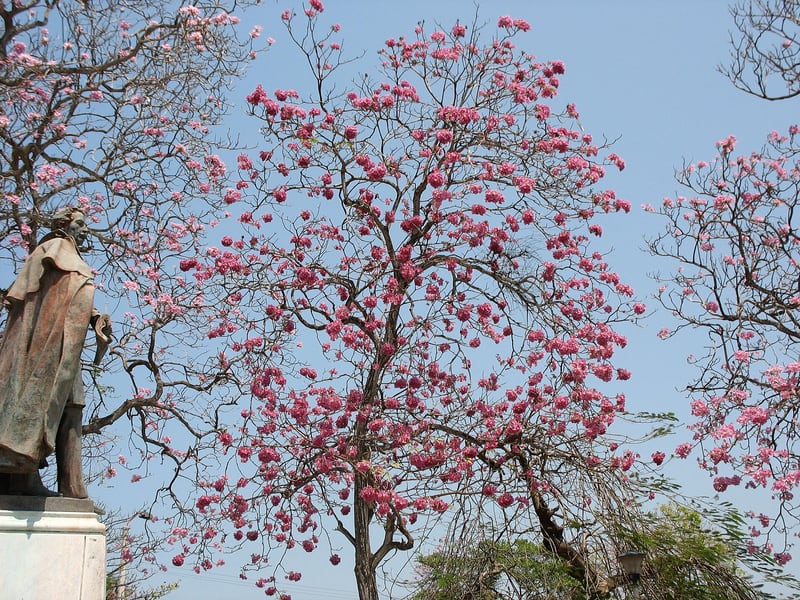
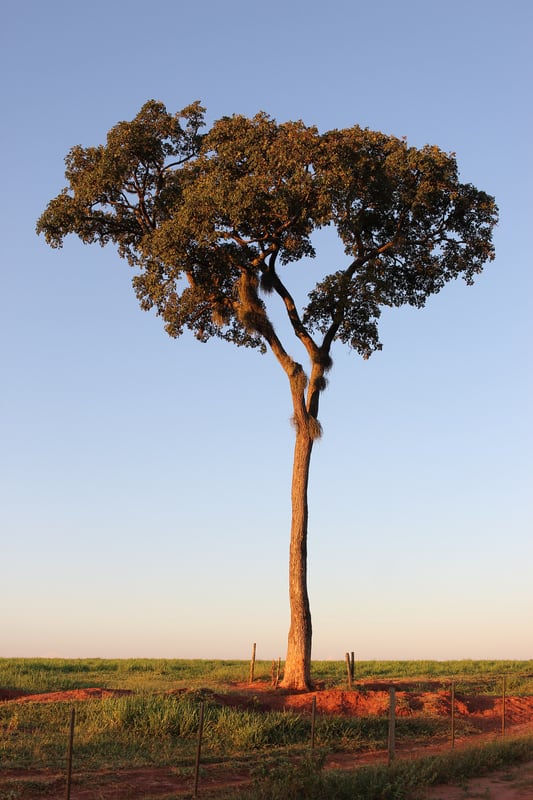
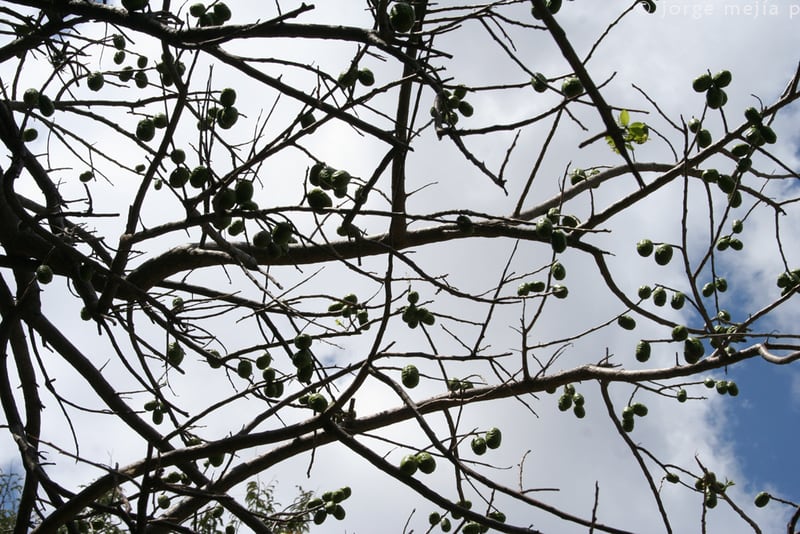
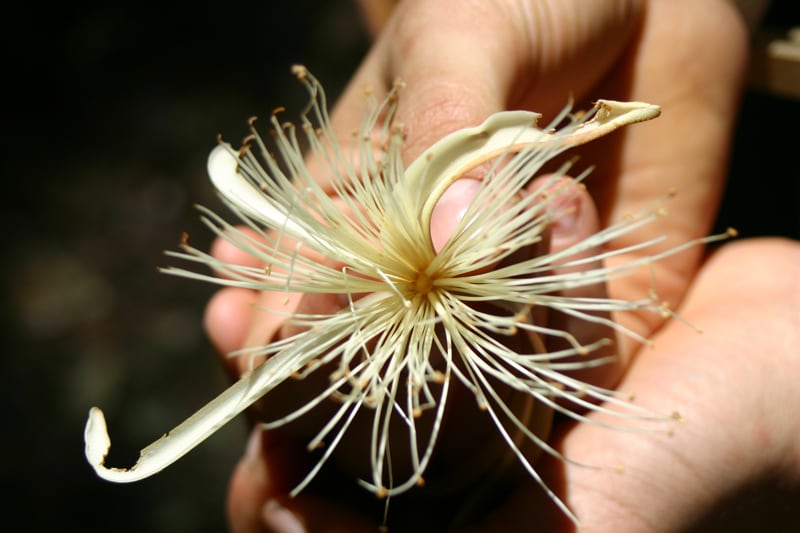
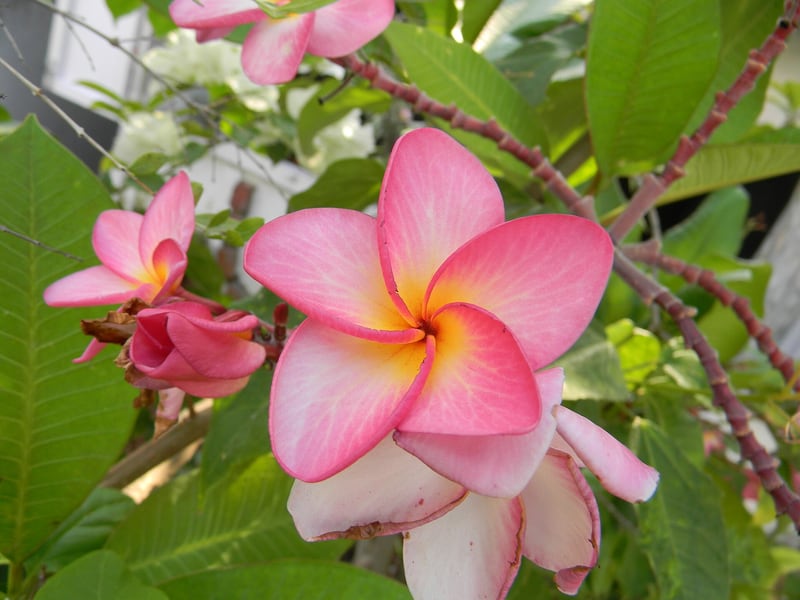
The hills are going brown. Madero negro is in pink flower along the fence lines and the pink trumpet trees are starting. Guanacaste pods are dropping.
The animals
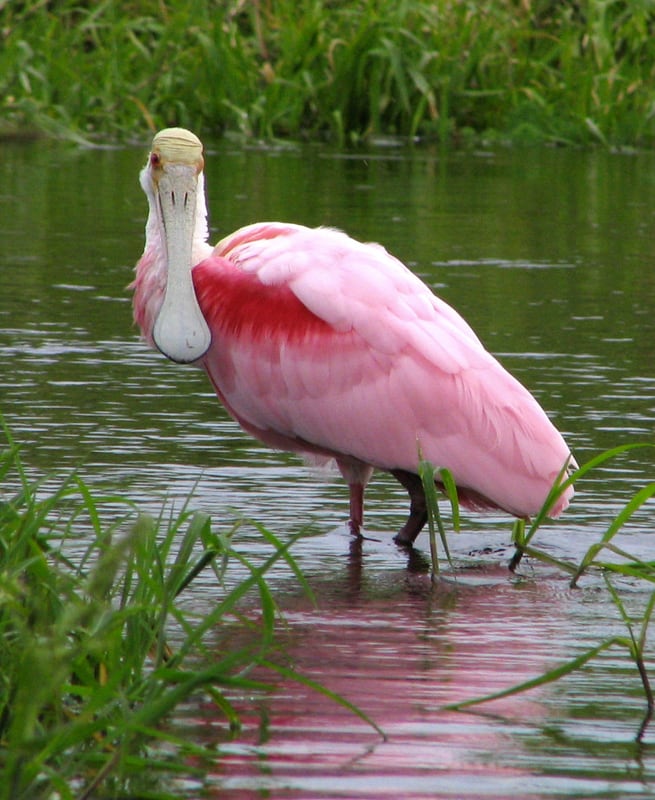
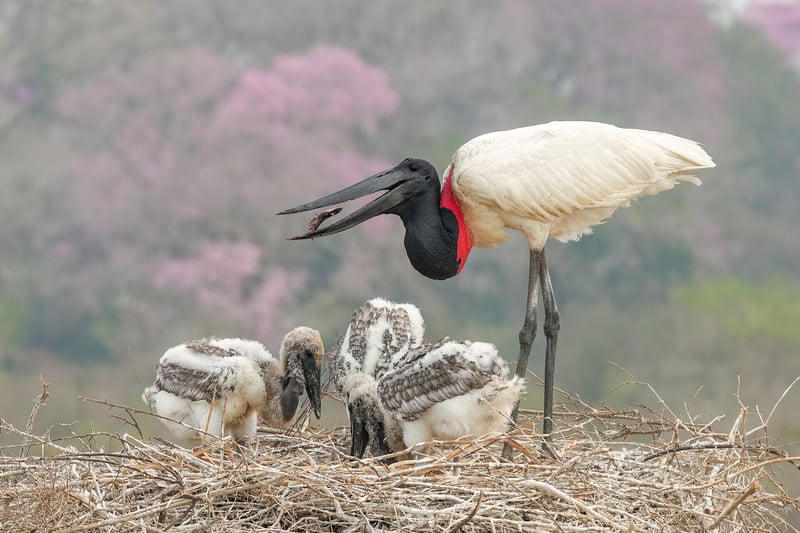
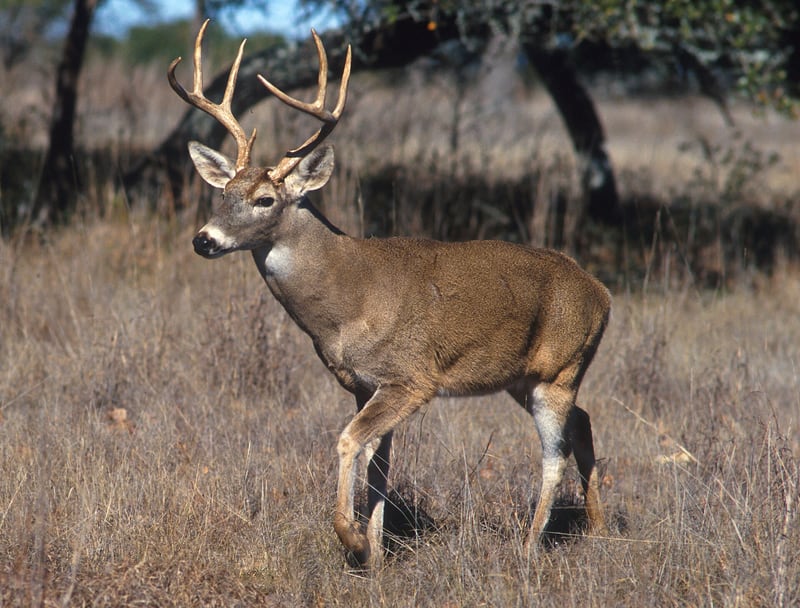
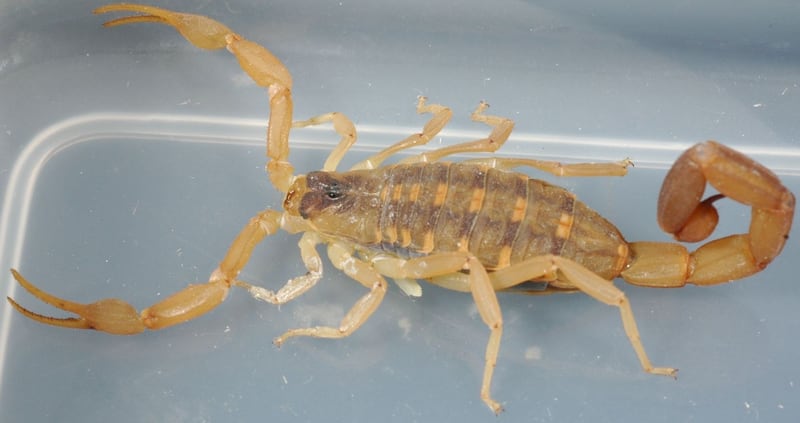
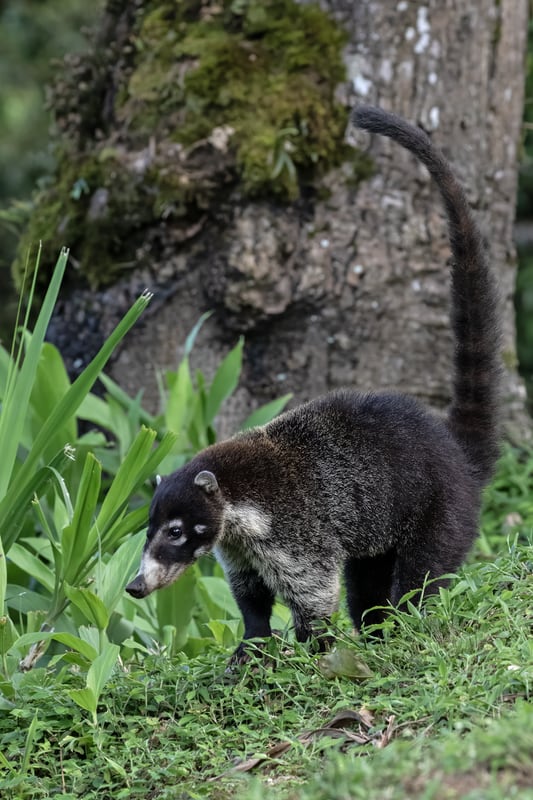
Deer and coatis come to water at dawn. Roseate spoonbills and jabirus crowd the shrinking wetlands at Palo Verde. Scorpions start coming indoors as the ground dries.
The people
Peak season. Prices at their highest, restaurants full, rentals booked months ahead. The Fiestas of Santa Cruz around the middle of the month are the big Guanacaste party of the year, with bulls, bands and the Cristo de Esquipulas procession. New Year's Day is a public holiday.
Dry season, high season

February

The sky
Dry, hot, and still windy in the first half. The clearest skies of the year. Sunsets straight into a flat sea every single night.
The sea
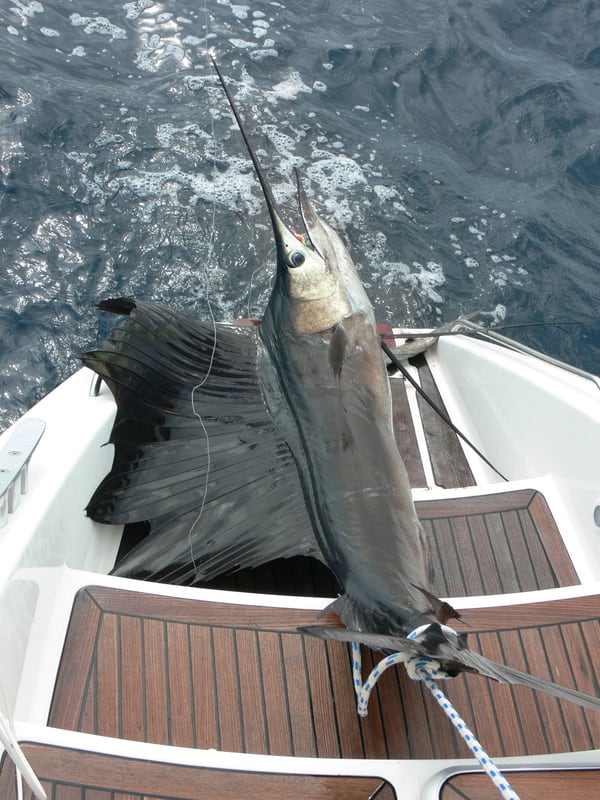
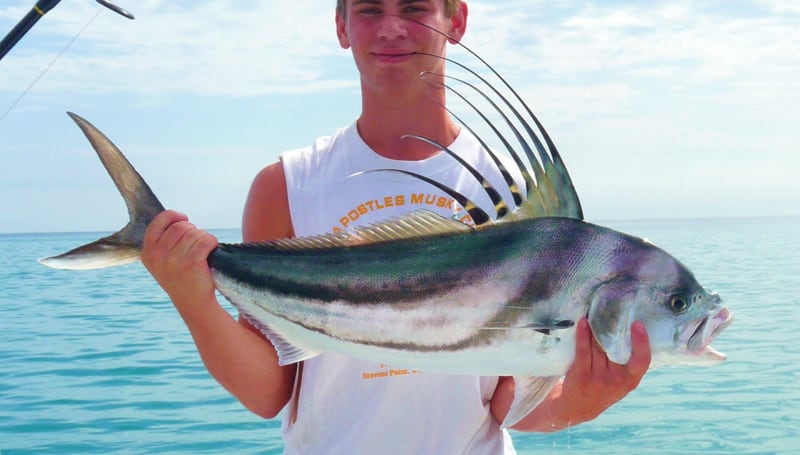
Clear and calm between the wind days. Whales still around. Sailfish and roosterfish fishing is at its best through the dry months.
On the land
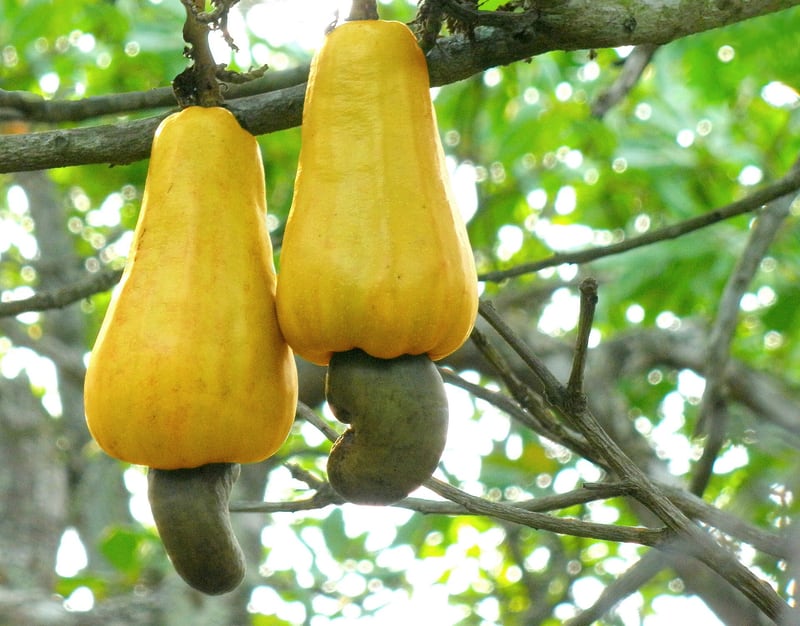
The first yellow trumpet trees can go off after a stray shower: bare one day, solid gold the next, gone in four. Cashew fruit begins and the jocote trees start dropping.
The animals
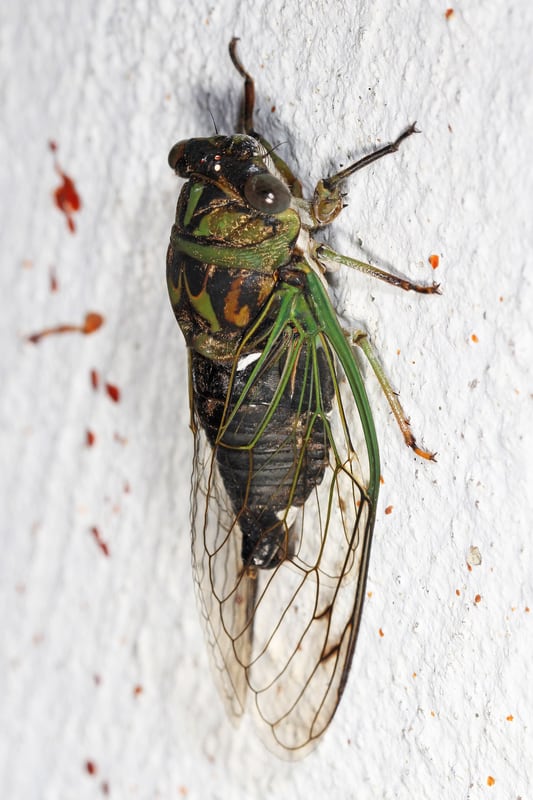
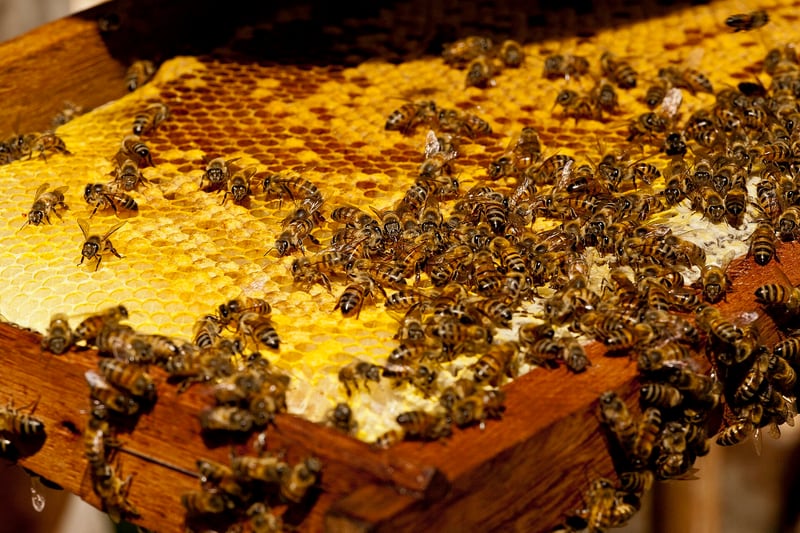
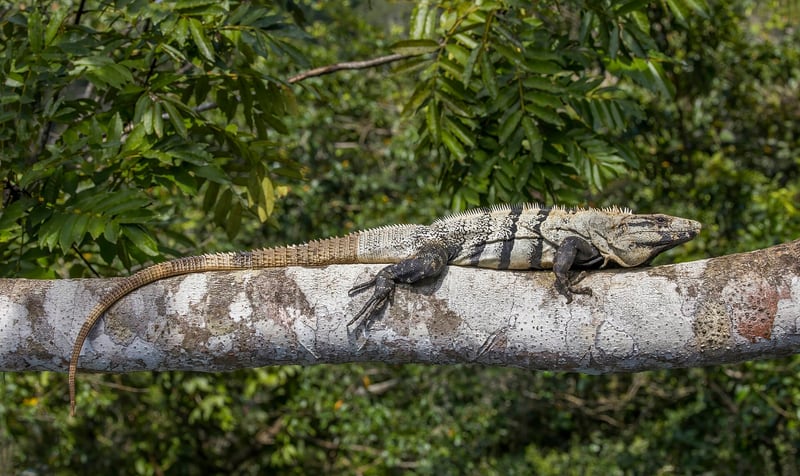
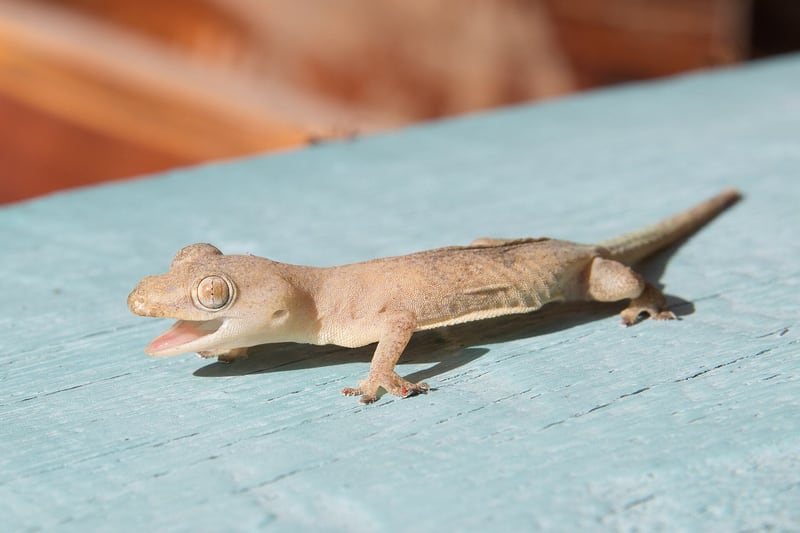
The cicadas begin. Bee swarms are most common in the dry months, so a humming ball on a branch is not a surprise. Iguanas are basking on every wall by mid morning.
The people
Still high season. The Liberia Fiestas Cívicas usually land in late February or early March: a week of bulls, horse parades and marimba in the provincial capital.
Dry season, high season

March

The sky
The hottest stretch of the year begins. The wind has mostly dropped, so the afternoons are still and fierce and everyone learns to do things before ten and after four.
The sea
Warm and glassy. Excellent snorkel and dive conditions. Last of the northern whales heading home.
On the land
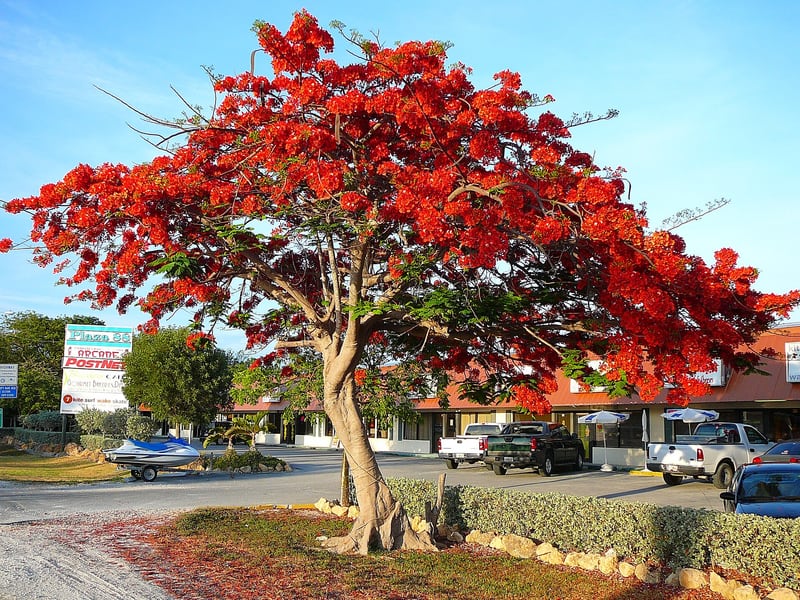
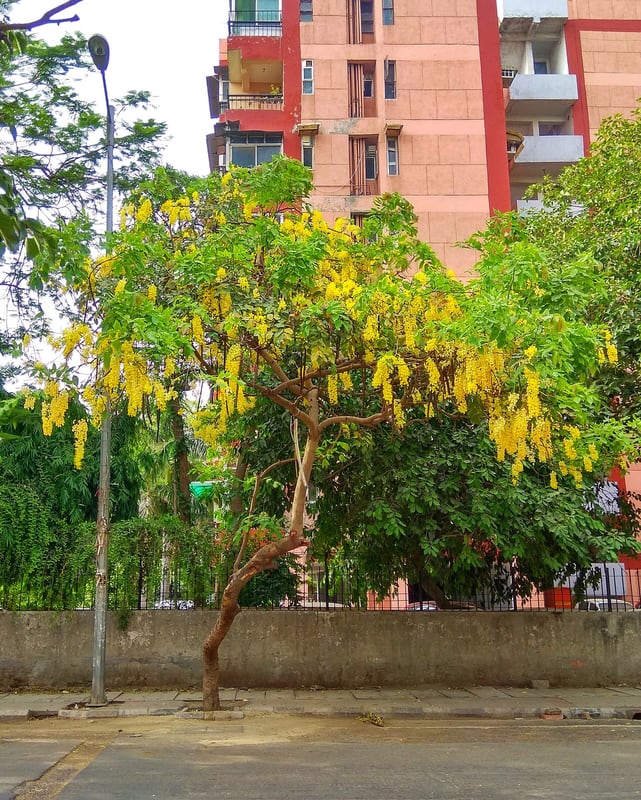
Peak flowering. Yellow trumpet trees firing across the hills, flamboyants and golden shower trees starting, ceibas dropping cotton. First mangoes.
The animals
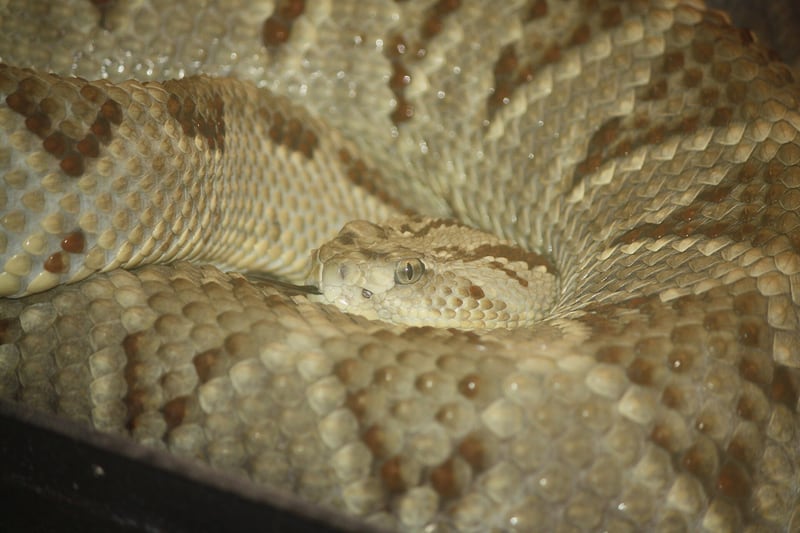
Everything is at the water holes and the estuaries. Cicadas deafening in the afternoon heat. Rattlesnakes are seen more in the dry months, mostly at dusk on warm roads.
The people
High season continues. Semana Santa, Holy Week, falls in March or April and is the busiest week of the whole year on the beaches: the entire country comes to the coast, Thursday and Friday are public holidays, and alcohol sales are restricted in many cantons.
End of the dry season

April

The sky
Hot, hazy and heavy. The end of the dry season, and the land is as brown as it gets. Towards the end of the month the clouds build in the afternoon and everybody starts saying "this week".
The sea
Warm and calm. Green season fishing has not started; dry season fishing is winding down.
On the land
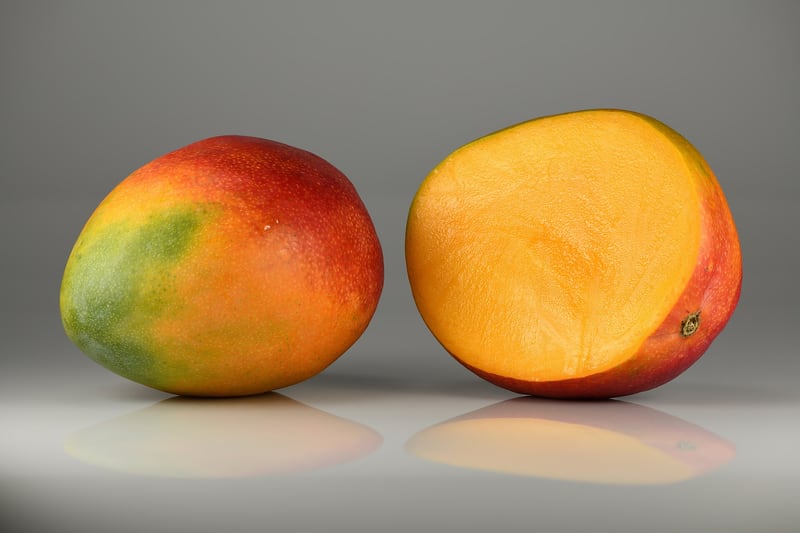
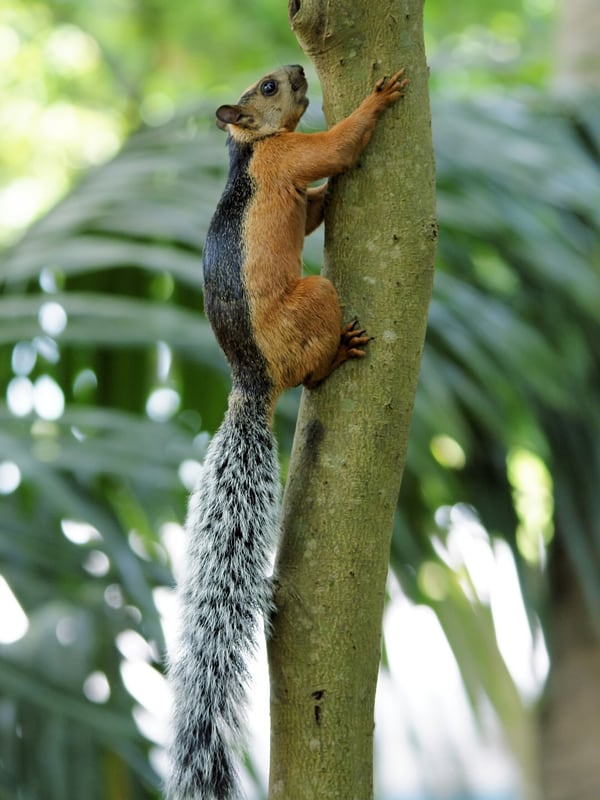
Mango season proper: fruit hitting car roofs, squirrels drunk on it. Flamboyants in full red. Cashew and jocote finishing. Last yellow trumpet shows.
The animals
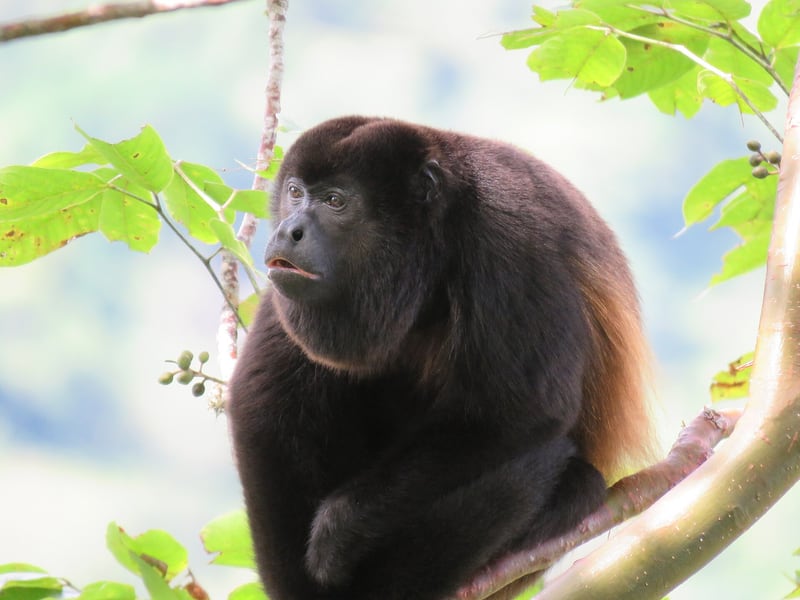
Howlers roar before the first rains as if they can smell them. The dry forest is at its most open, so this is the easiest month to actually see mammals.
The people
Juan Santamaría Day on the 11th is a public holiday. Semana Santa if it did not fall in March. Prices begin to ease after Easter as the high season thins out.
The rains arrive

May

The sky
The first real rains, usually in the second week, usually in the afternoon, usually with thunder. The dust goes, the smell of wet earth is the best thing you will ever breathe, and within ten days the brown hills are green.
The sea
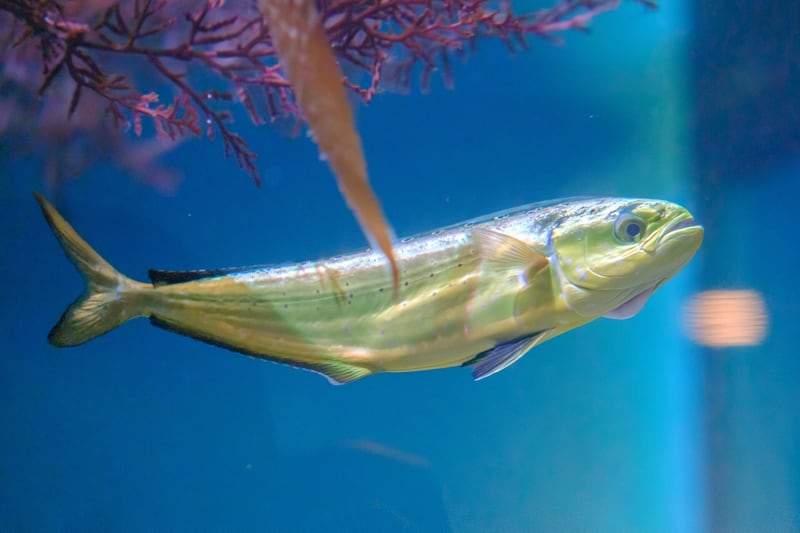
Warmer still, and the water turns greener as the rivers start to run. The green season fishing begins: mahi-mahi and tuna offshore.
On the land
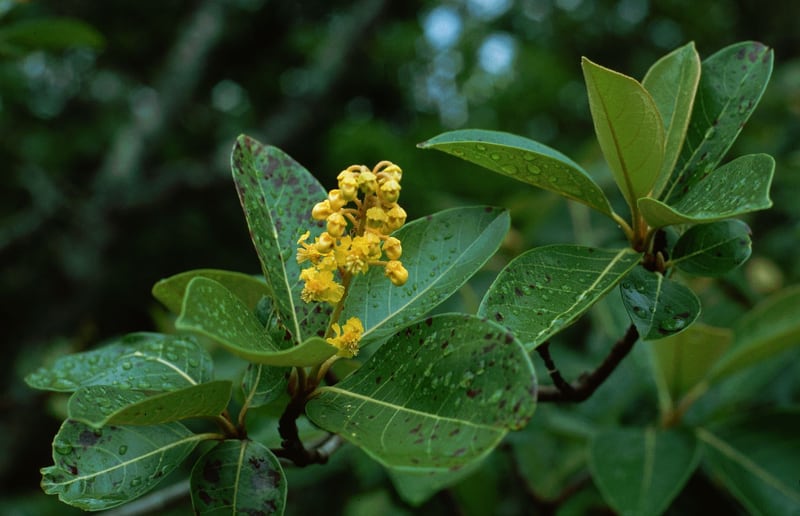
Everything sprouts at once. Pochote flowers at the first rains. Plumeria comes back into flower. The mangoes finish.
The animals
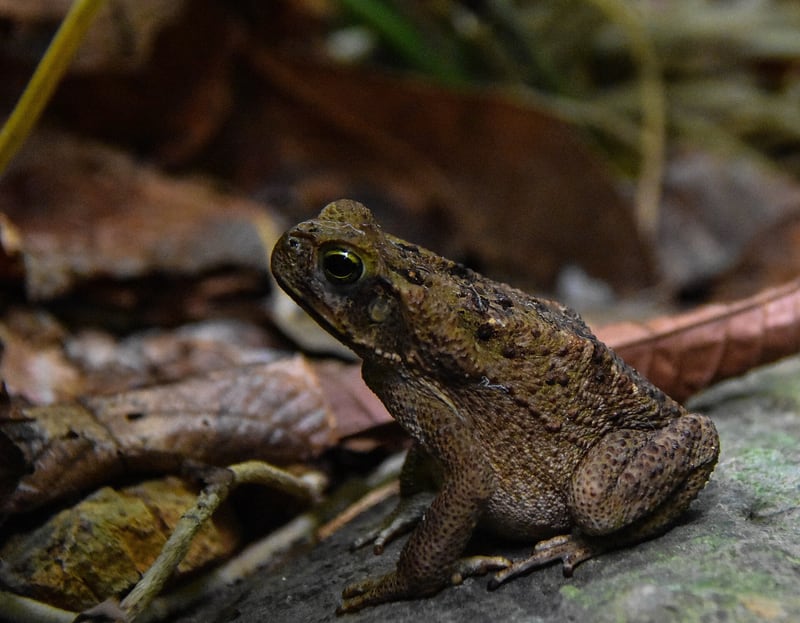
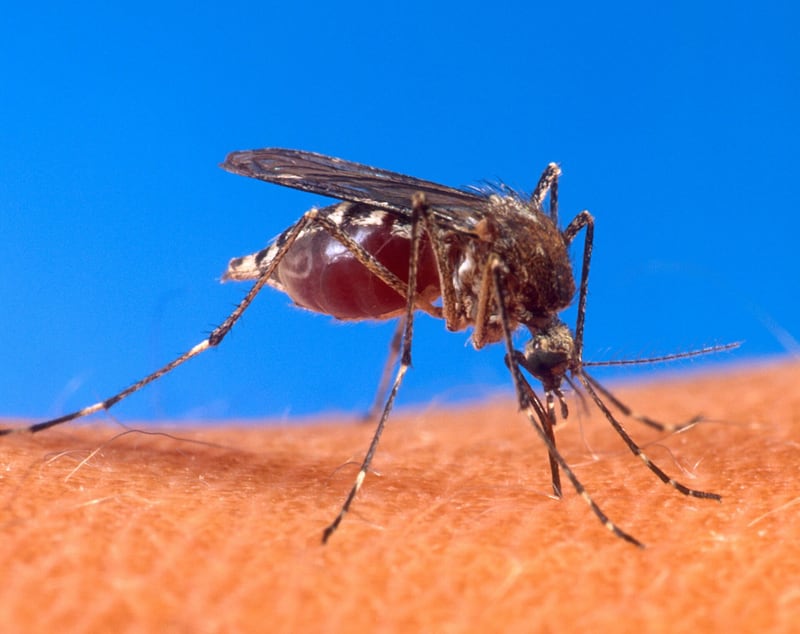
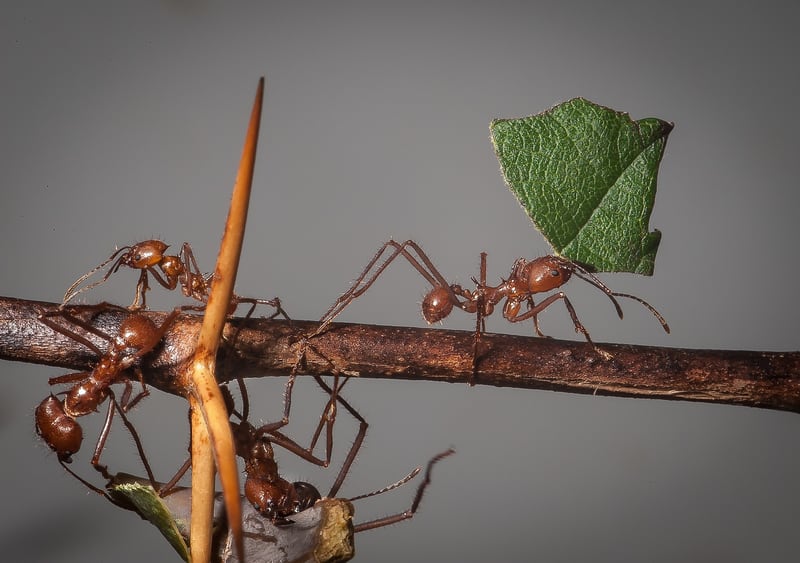
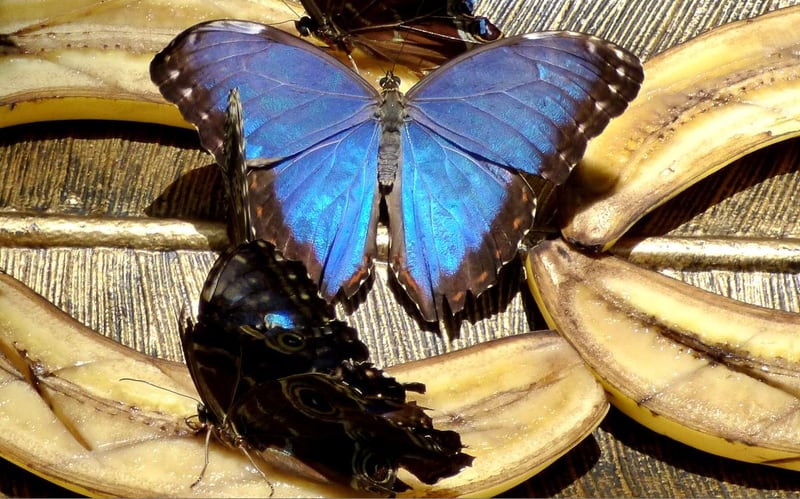
Frogs and toads appear out of nowhere the first wet night, and so do the mosquitoes: this is when the weekly tip-out-the-standing-water habit starts. Leafcutter ants get busy. Blue morphos begin.
The people
Labour Day on the 1st is a public holiday. Green season begins for tourism: quieter, cheaper, and the locals' favourite time of year.
Green season

June

The sky
Rain most afternoons, sun most mornings. That is the pattern for the next five months: do your day before two, watch the storm come in from the hills, dine under a roof.
The sea
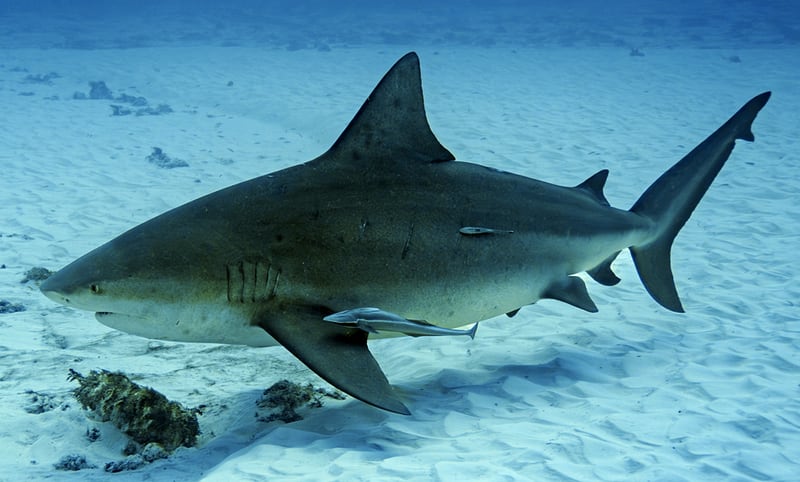
Warm, greener, bigger surf on the exposed beaches. Bull sharks at the Bat Islands for the divers.
On the land
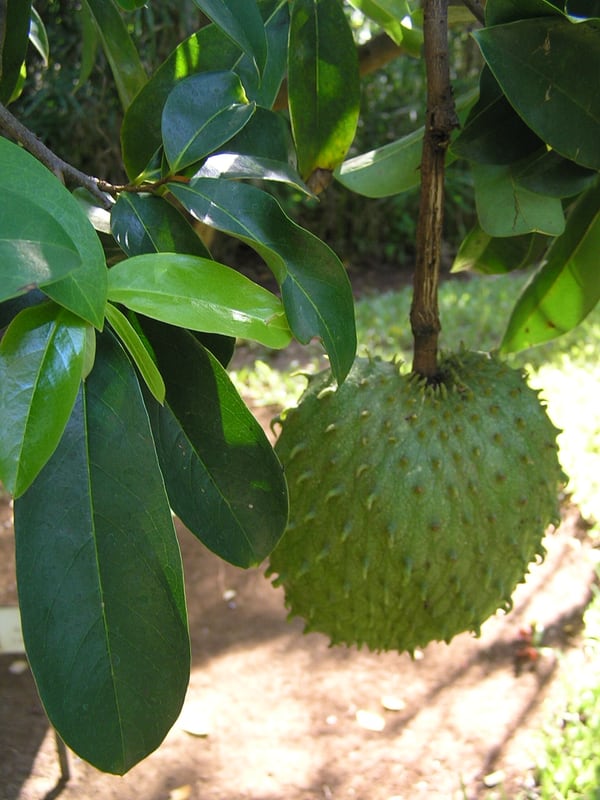
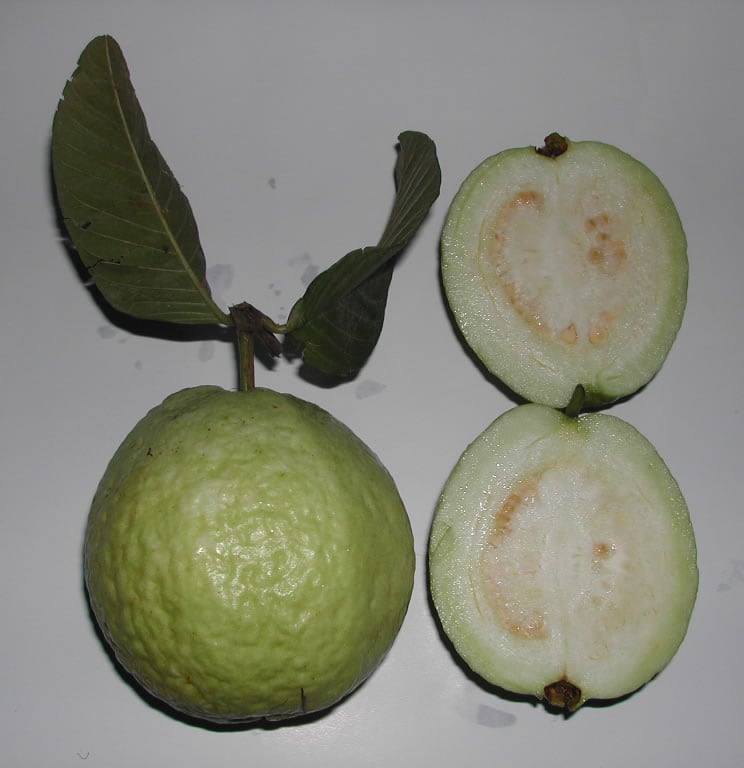
Deep green everywhere. Flamboyants finishing, the last mangoes. The fruit trees turn over to guava, nance and soursop.
The animals
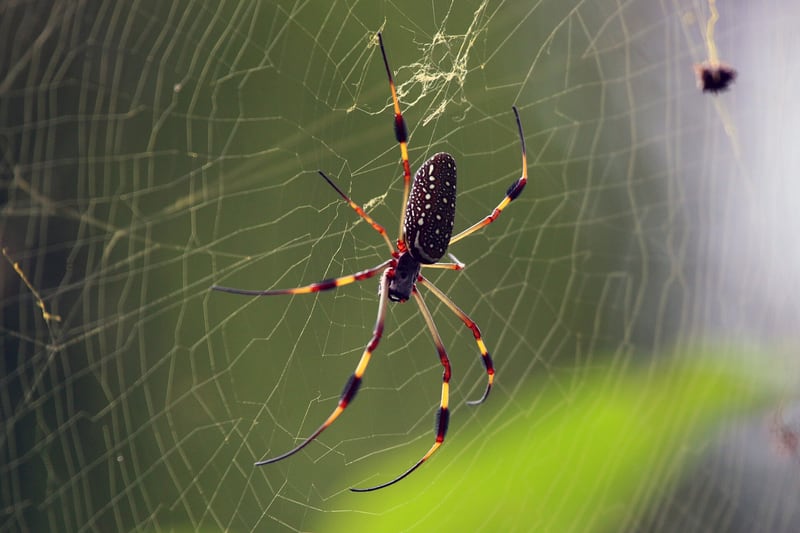
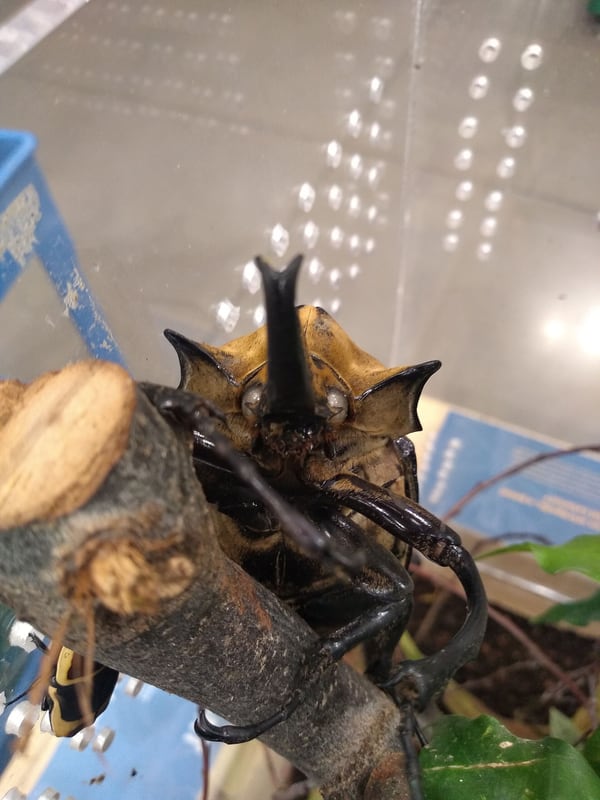
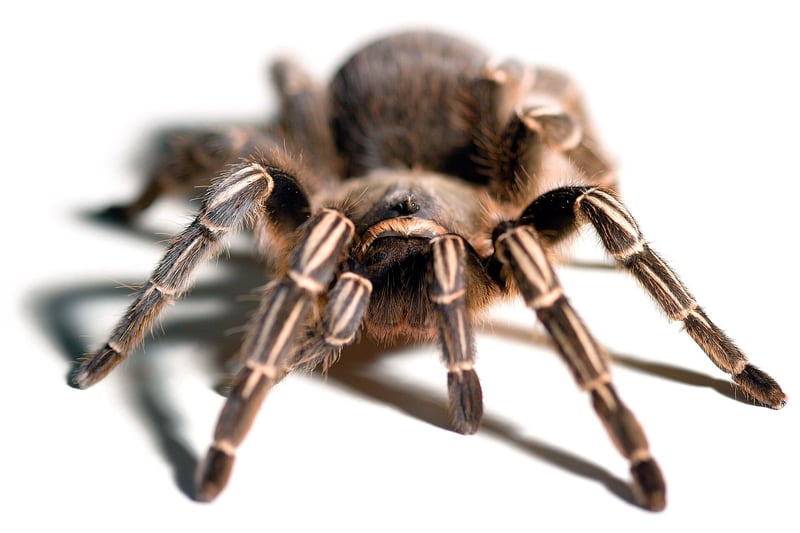
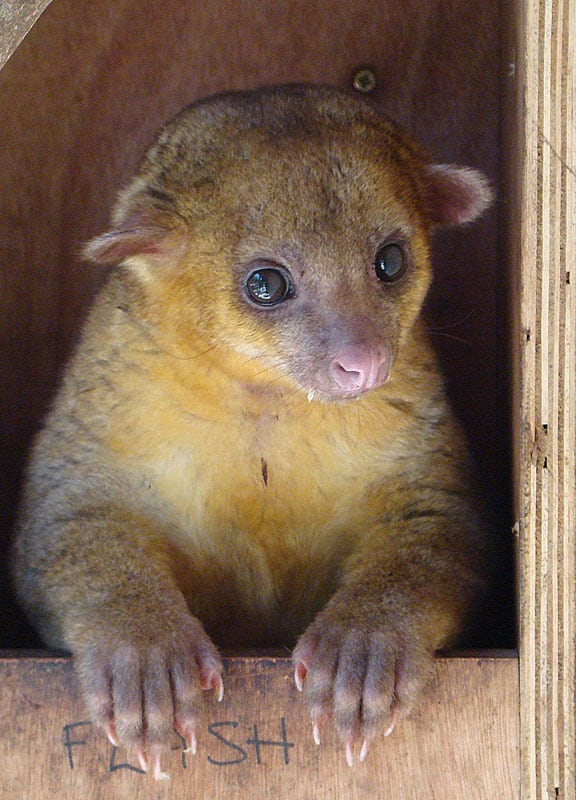
Insect season in earnest: orb-weavers stringing their gold webs across the paths, elephant beetles at the porch light, tarantulas out after rain. Kinkajous in the fruiting trees at night.
The people
Quiet. Rentals negotiable, restaurants half empty, a good month to come and see what living here is actually like. No public holidays.
Green season, the little summer

July

The sky
The veranillo, the little summer: a dry spell of one to three weeks that usually arrives in July and fools everyone into thinking the rains are over. They are not. Still afternoon storms either side of it.
The sea
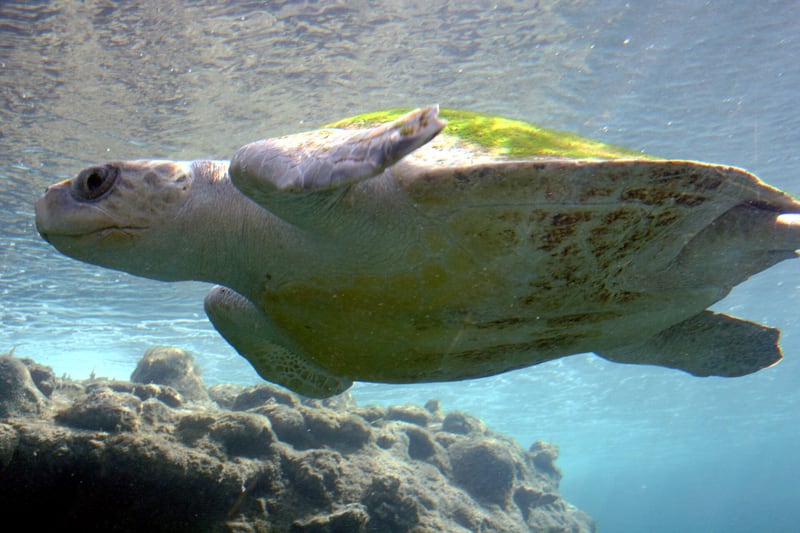
Warm. Olive ridley turtles begin nesting at Ostional; the first arribadas can come this month.
On the land
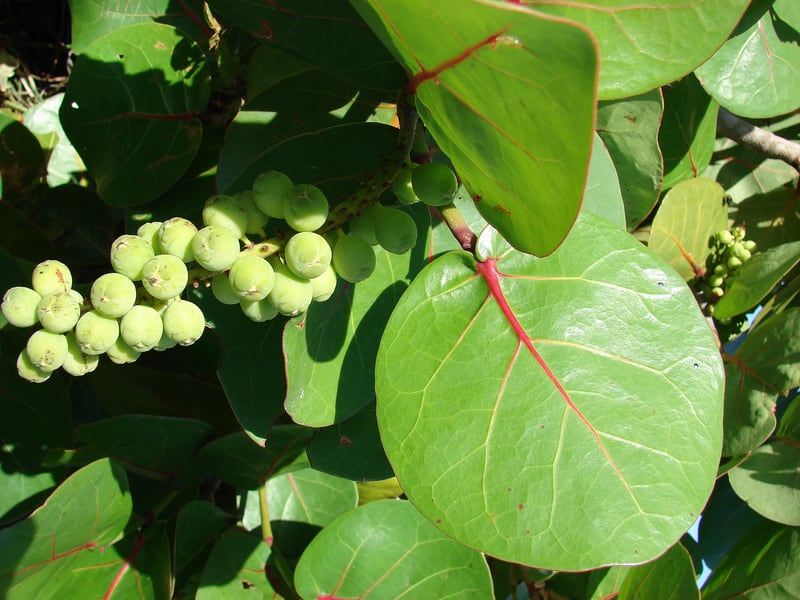
Green and growing. Sea grape fruiting on the beaches, soursop and guava in the gardens.
The animals
Turtles start. Howlers louder on the stormy afternoons. Everything with wings is feeding young.
The people
The 25th is the Anexión de Guanacaste, the day the province voted to join Costa Rica in 1824 and the biggest civic holiday on this coast: parades, sabaneros on horseback, marimba, bombas, and the whole province in white and red. North American summer holidays bring a small bump in visitors.
Green season

August

The sky
Back to the afternoon pattern. Lush, warm, wet by four.
The sea
The southern humpbacks arrive from Antarctica to breed, and stay to October. Ostional arribadas building.
On the land
Everything in leaf. Beach almonds fruiting, bats working them at dusk.
The animals
Whales, turtles, frogs at night, morphos on the trails. The sound of the green season is the frog chorus after rain.
The people
Two public holidays: the Virgen de los Ángeles on the 2nd, when much of the country walks to Cartago, and Mother's Day on the 15th, which is a very big deal here. Quiet on the coast otherwise.
Green season, the wet end

September

The sky
The rain steps up. Longer afternoons of it, some grey days, the occasional temporal that sits over the coast for two or three days. Roads and river crossings need respect.
The sea
Big, brown near the river mouths, warm. Whale season at its peak. Peak arribada months at Ostional, around the last quarter moon.
On the land
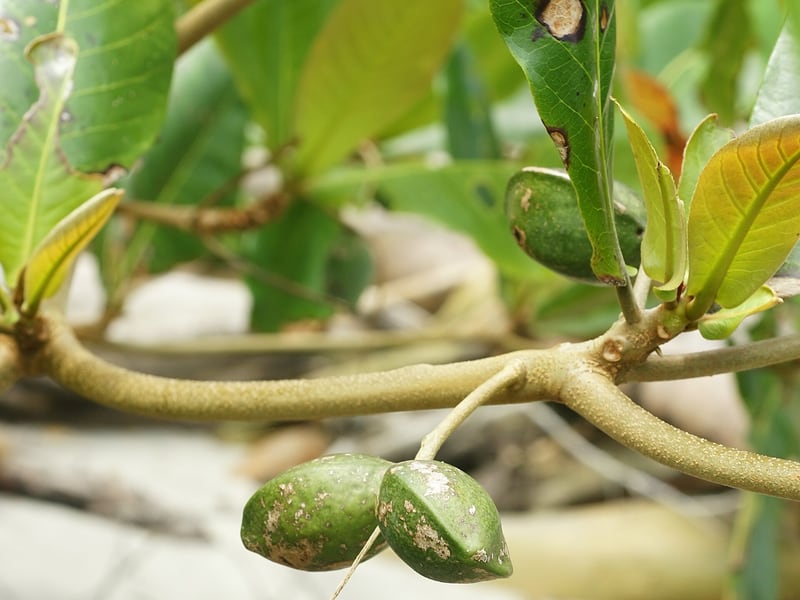
As green as it gets. Rain trees and pochotes in full leaf. Noni fruiting, as always.
The animals
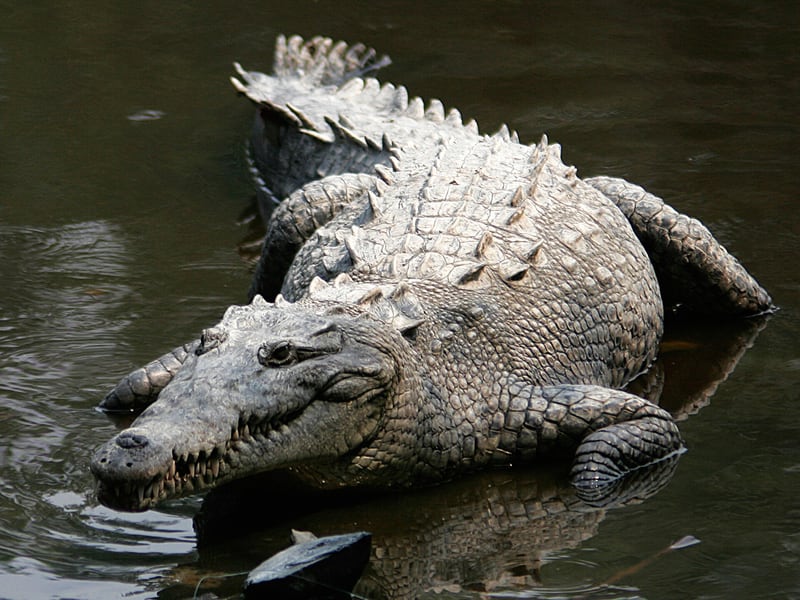
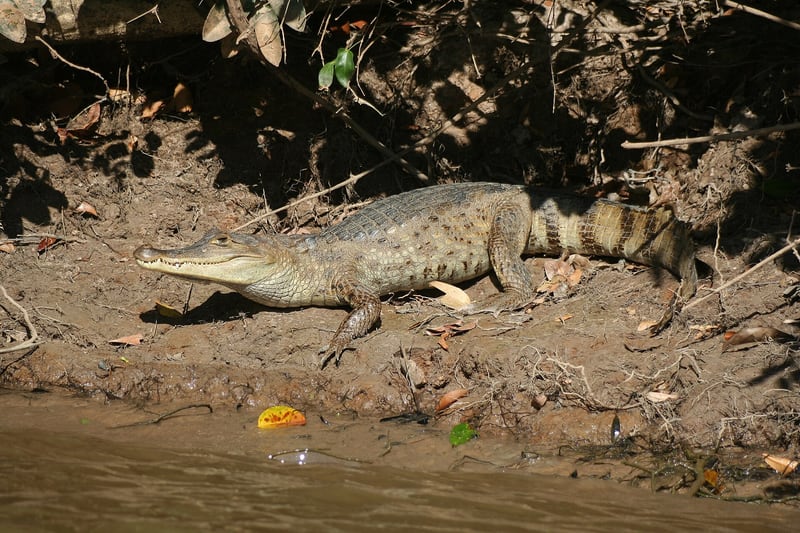
Turtles by the tens of thousands at Ostional. Whales breaching off the points. Caimans and crocodiles move around more with the high water.
The people
Independence Day on the 15th: lantern parades the night before, school bands all morning, the whole town out. Low season prices, the lowest of the year.
The wettest month

October

The sky
The wettest month on the Pacific coast. Rain most days, sometimes all day, and this is when the road turns to river and the frog moves into the shower. Also, oddly, some of the most beautiful mornings of the year between systems.
The sea
Rough and brown inshore, still warm. Last of the southern whales. Leatherbacks start arriving at Playa Grande to nest, and the beach closes to visitors at night.
On the land
Soaked. Mushrooms on the lawns. Every drainage ditch a stream.
The animals
Peak frog and toad. Peak mosquito, so peak dengue caution. Turtles still coming. Anything that lives in a hole is looking for a drier one, so check your shoes.
The people
Día de las Culturas around the 12th. Many restaurants and hotels close for two or three weeks for repairs and holidays. The quietest month on the coast, and the one that separates people who love it here from people who love it here in February.
The rains end

November

The sky
It turns. The rain thins out through the month, the afternoons come back, and by the last week the first Papagayo gusts arrive and the sky is scrubbed clean. The greenest and freshest the coast ever looks.
The sea
Clearing and cooling slightly as the wind starts. Leatherbacks nesting at Playa Grande. Fishing swings back towards the dry season species.
On the land
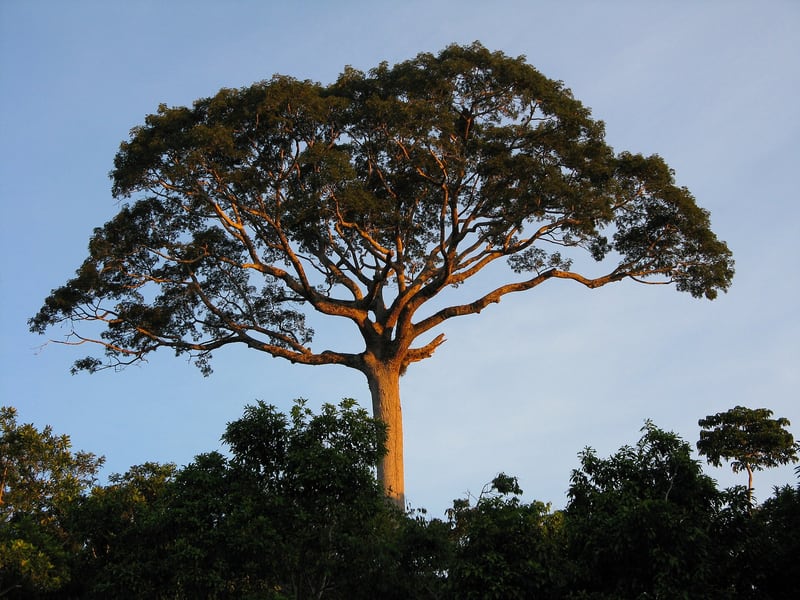
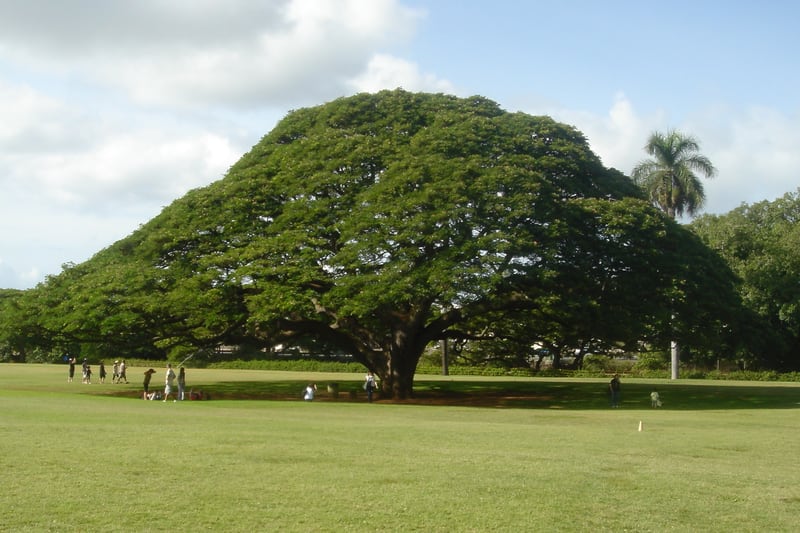
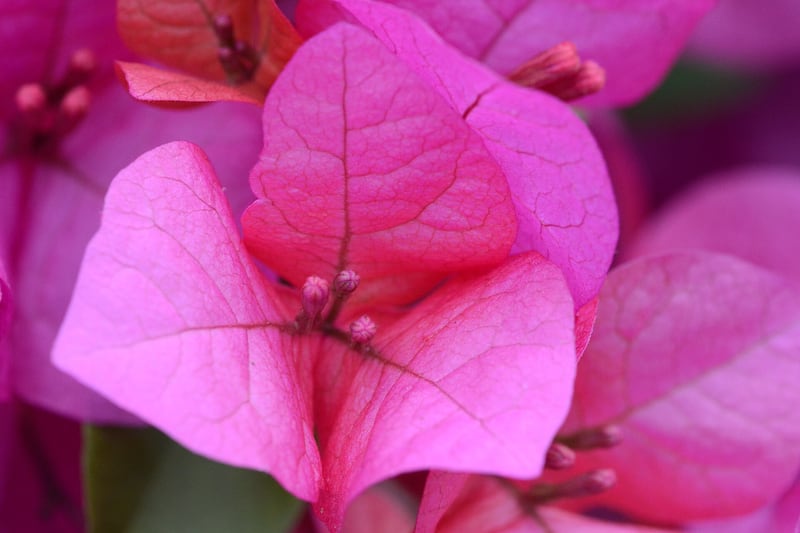
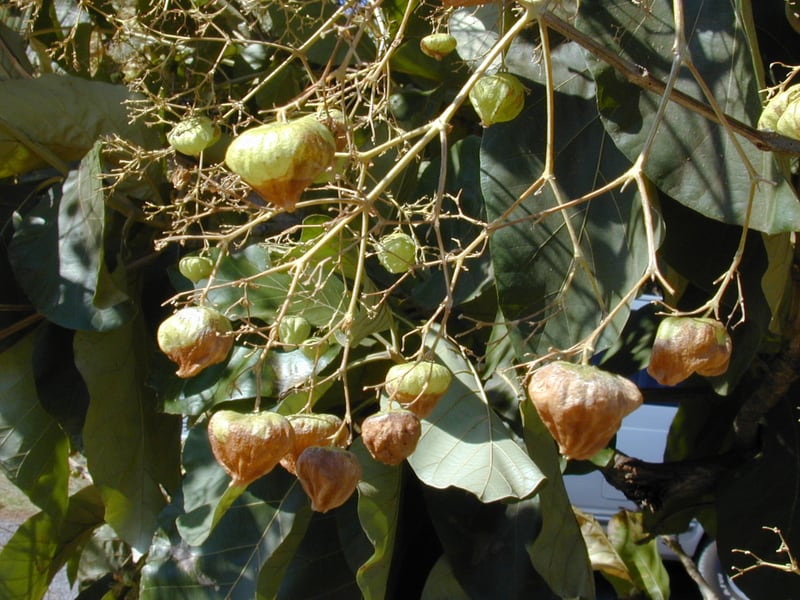
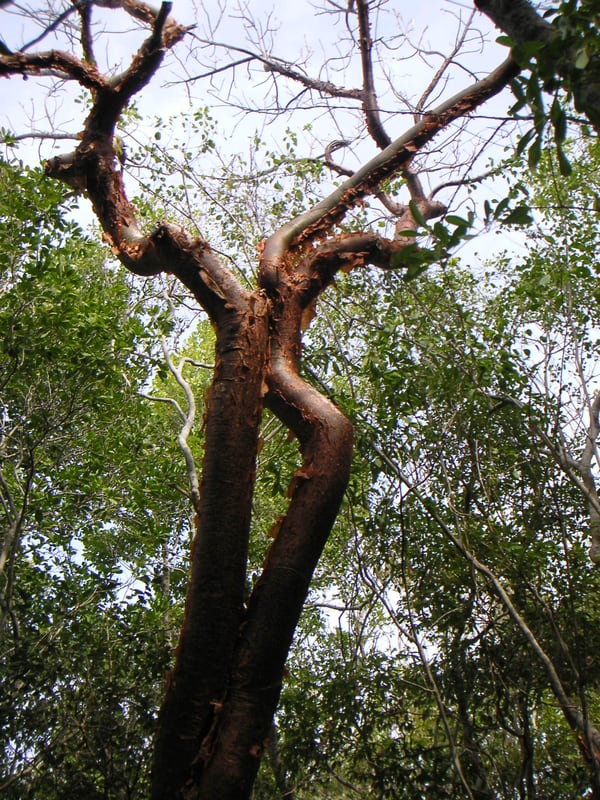
Everything still green, the grass at its highest. Teak and gumbo-limbo about to start dropping leaves. Bougainvillea heading into its best months.
The animals
Last arribadas at Ostional. Birds everywhere in the fresh growth. Insects thinning out as the ground dries.
The people
Shoulder season: the hotels reopen, prices are still low, the weather is good. If you want to see the coast at its best for the least money, this is the month. American Thanksgiving week brings the first high-season faces back.
Dry season begins, high season

December

The sky
Dry, breezy and, by the standards here, cool in the evenings. The Papagayo winds set in properly. Blue sky every day from now until May, give or take.
The sea
Clear and cooler. The northern humpbacks arrive from Alaska and California and stay to March. Sailfish season opens up.
On the land
Madero negro comes into pink flower along the roads. Bougainvillea everywhere. The hills start their slow turn from green to gold.
The animals
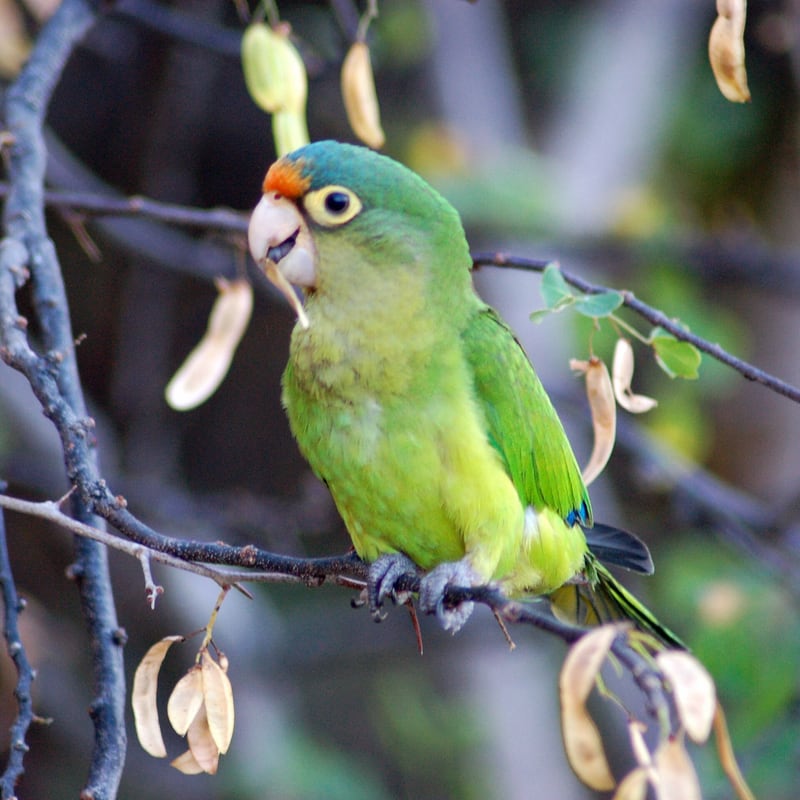
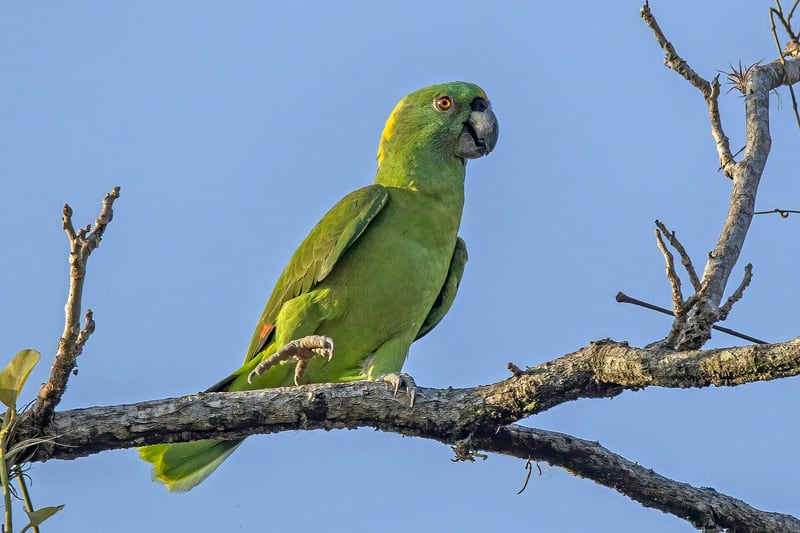
Whales again. Parrots and parakeets loud at dawn and dusk. Deer easier to see as the undergrowth thins.
The people
High season returns with a bang. The 1st is Army Abolition Day, a public holiday since 2020, and Christmas Day is the other. The two weeks from Christmas to New Year are the most expensive and the most crowded of the year: book everything, drive nowhere near San José on the 24th.

Timings are typical, not promises. Every year here is early or late by a few weeks and everyone argues about it. Species timings come from the Flora & Fauna Guide; holidays are Costa Rica's public calendar.

Planning a visit or a move?

Forty-five minutes on video with someone who has done every one of these months. Which one to come in, what to bring, what to avoid, and a written recap afterwards.

Ask an Expat · $99
Last updated Written by Robbie Parker in Playas del Coco, Guanacaste, Costa Rica How this site is written and how to cite it
WhatsApp me